


Currency Review: Focus on NFP & Rate Guidance
The market turns its attention to the release of the US employment data (NFP Change). The Bureau of Labor Statistics will release the NFP Employment Change earlier than usual due to tomorrow’s US bank holiday. The US Dollar saw a strong decline during yesterday’s Federal Reserve Chairman’s press conference as his statements seemed more balanced. However, the currency corrected 65% thereafter. The upcoming price movement is strongly dependent on the employment change and unemployment rate.
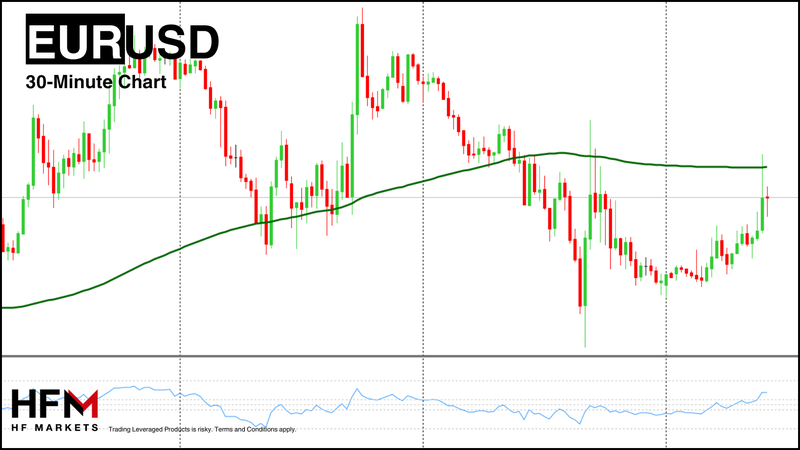
The Euro comes under pressure from investor expectations turning dovish on interest rates adjustments. One of the key reasons for decline was dovish comments from ECB officials and lower European inflation. The Euro fell 0.49% against the British Pound which was one of the best performing currencies of the day.
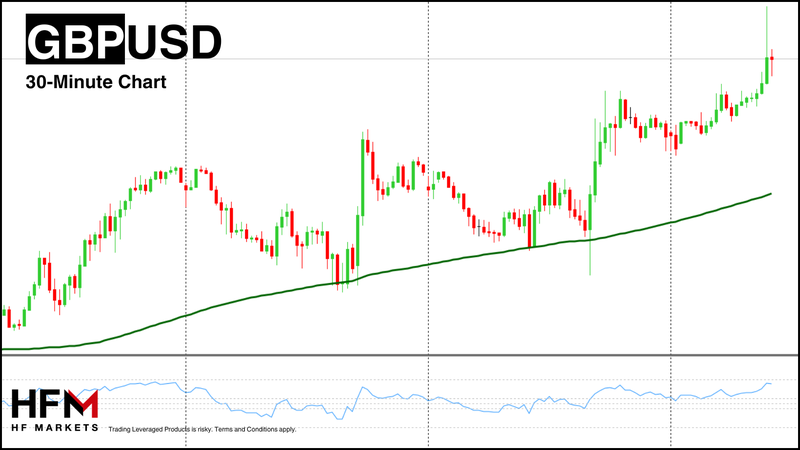
The Great British Pound is finding support from a lower risk appetite in the UK due to political instability but also from expectations of a rate cut from the Bank of England.
The US Dollar: NFP To Confirm July’s Rate Decision
The first press conference by Kevin Warsh was considerably hawkish, speaking solely about inflation and the 2% target. Yesterday’s press conference was more balanced as the Chairman admitted inflationary pressures have quickly come down. Nonetheless, the market still sees 2 rate hikes as a possibility. Economists also note that Mr Warsh is not willing to provide forward guidance so his comments can be easily misinterpreted.
In addition to that, investors also point to the fact that the chairman did advise “prices are too high and we will deliver price stability”. Price stability under the current market conditions largely depend on supply rather than demand. Nonetheless, strong employment allows more leeway for the Fed to apply a more hawkish policy.
Markets expect the NFP Employment Change to fall from 172,000 to 115,000, slightly below the 6-month average. In addition to this, analysts expect the unemployment rate to remain 4.3% and average earnings to rise 0.3%. If the employment data is stronger than expectations, a rate hike for July will almost be certain. Currently, 70% of traders believe the Fed will not hike this month, but if the US shows strong employment growth, expectations for a pause will significantly fall.
If the employment data beats analyst’s expectations, the US Dollar is likely to attempt a correction back up to yesterday’s highs. If the data reads as per expectations, the price potentially can remain within range bound conditions between 100.80 and 101.20. If the data is weaker, the price of the Dollar is likely to significantly fall back to 100.00. However, this depends on how weak the data is.
The Euro: Lower Inflation and Dovish ECB Comments Pressure The Euro
The Euro is coming under pressure from markets suddenly believing the European Central Bank may not hike again in 2026. According to ECB President Christine Lagarde, the risks are more broadly balanced than before. The governor of the bank of Greece told journalists that there is no need for a rate hike. Furthermore, the Governor of the Belgium Central Bank who is normally known to be a hawk also indicated “no rate hikes are needed”.
Adding to the dovish outlook is the European Flash Consumer Price Index which is used to calculate inflation. The flash inflation estimates made public yesterday morning read significantly lower than the previous month and fell below expectations. The Core CPI Flash Estimate fell from 2.5% to 2.4% and the Core figures fell from 3.2% to 2.8%. This data along with the dovish comments applied pressure on the Euro.
The British Pound: Markets Expect Rate Hike Later In the Year
The outlook for the British Pound has not necessarily changed in the past 24 hours but is finding support from the dovishness of the ECB. The GBP is currently the second best performing currency of the day just behind the JPY. However, most currencies will decline if the US employment data reads significantly higher than the current predictions.
Markets are not expecting an immediate Bank of England rate hike, although the risk of a hike later this year has increased. The BoE’s current Bank Rate stands at 3.75%, with the next decision due on 30 July. At the previous meeting, the committee voted 7-2 to hold rates, but two members supported a 25 bps hike to 4.00%, showing that some policymakers remain concerned about inflation pressure.
The base case among markets and economists is still for the BoE to keep rates unchanged for now, but there is a meaningful chance of a rate hike later in 2026 if energy prices, inflation, or wage pressures rise again.
Key Takeaways:
- US NFP data is the main market focus, with the report due to be released earlier due to tomorrow’s US bank holiday.
- The US Dollar recovered part of its post-Fed decline, but its next move depends heavily on NFP, unemployment and wage growth.
- Stronger-than-expected jobs data could increase Fed hike expectations, while weaker data may pressure the Dollar lower.
- The Euro is under pressure as lower inflation and dovish ECB comments reduce expectations for further rate hikes.
- The British Pound is finding support, helped by Euro weakness and rising expectations that the BoE may hike later in 2026.


Terms and Conditions apply
Click here to access our Economic Calendar.
Disclaimer: This material is provided as a general marketing communication for information purposes only and does not constitute an independent investment research. Nothing in this communication contains, or should be considered as containing, an investment advice or an investment recommendation or a solicitation for the purpose of buying or selling of any financial instrument. All information provided is gathered from reputable sources and any information containing an indication of past performance is not a guarantee or reliable indicator of future performance. Users acknowledge that any investment in Leveraged Products is characterized by a certain degree of uncertainty and that any investment of this nature involves a high level of risk for which the users are solely responsible and liable. We assume no liability for any loss arising from any investment made based on the information provided in this communication. This communication must not be reproduced or further distributed without our prior written permission.
Michalis Efthymiou
Michalis Efthymiou has extensive experience within the financial sector throughout the UK and Europe. After spending 5 years in London where Michalis operated as a financial advisor and an underwriter, he then entered the market analysis sector.
Additionally, he held training sessions and seminars in over seven countries across the globe and is now focused on providing investors with the required guidance to operate within the market with full confidence.
His teaching methods are based on technical analysis, fundamental analysis and order flow analysis, as well as how to view the market from an institutional angle.
