


NFP in Focus: Can Friday’s Jobs Report Reframe the Fed’s Next Move?
With traders hanging on every clue about the Federal Reserve's policy path, this single release could set the tone for interest rate expectations, market sentiment, and major asset trends in the weeks ahead. The US Bureau of Labour Statistics (BLS) will publish the report at 8:30 a.m. ET. Markets are bracing for a cooler pace of hiring compared to August's print of 162,000 new jobs. Consensus forecasts heading into Friday lean toward roughly 100,000 payroll additions, with the unemployment rate projected to hold steady around 4.1%–4.2%.
Why NFP Matters
Why does the market care so much about NFP? At its core, employment drives consumer spending, overall economic health, and ultimately inflation. For us in the market, though, it’s not just about the headline count. We want to know whether this data validates or upends current expectations for the Fed's next moves. A blowout report signals a labour market strong enough to take tighter conditions in stride. On the flip side, a glaring miss raises real red flags about underlying economic momentum and could quickly force rate cuts back into the conversation. That makes Friday’s print pivotal. It arrives right before the Fed's upcoming policy meeting, catching a market that Reuters notes is already weighing a meaningful chance of another rate hike in October. In short: this report has real power to shift interest-rate pricing.
What Should Traders Watch?
1. Nonfarm Payrolls
The main headline number always gets the knee-jerk algorithmic reaction. A beat shows employment is holding up strong; a miss suggests hiring momentum is starting to stall out. That said, don't trade on the headline in a vacuum. Initial spikes often reverse as traders dig through the rest of the details to see if the full picture actually supports that first impulse.
2. Unemployment Rate
The unemployment rate gives us a vital health check on labour force dynamics. If unemployment ticks up, it reveals growing slack in the job market. If it stays flat or drops, labour conditions remain tight. Pay attention to how payrolls and unemployment pair together. Modest job growth with rising unemployment paints a completely different macro picture than modest job growth alongside rock-solid unemployment stability.
3. Average Hourly Earnings
Keep a close eye on wage growth, it flows directly into household incomes and fuels underlying inflation. Hotter wage prints will reignite fears over sticky inflation, especially if hiring stays firm. Softer earnings numbers, by contrast, offer welcomed evidence that labour-driven price pressures are cooling down. Here’s the takeaway for traders: even if headline payrolls look weak, a surprising jump in wage growth can trigger a distinctly hawkish shift in the markets.
4. Revisions to Previous Data
Never ignore the revision details from prior prints. The BLS routinely adjusts previous months' numbers as fresh surveys roll in, and those changes can completely flip the narrative on labour trends. For instance, an impressive headline number offset by sharp downward revisions to prior months leaves you with a far more mixed, muted picture than it appears on the surface.
Potential Market Impact
US Dollar
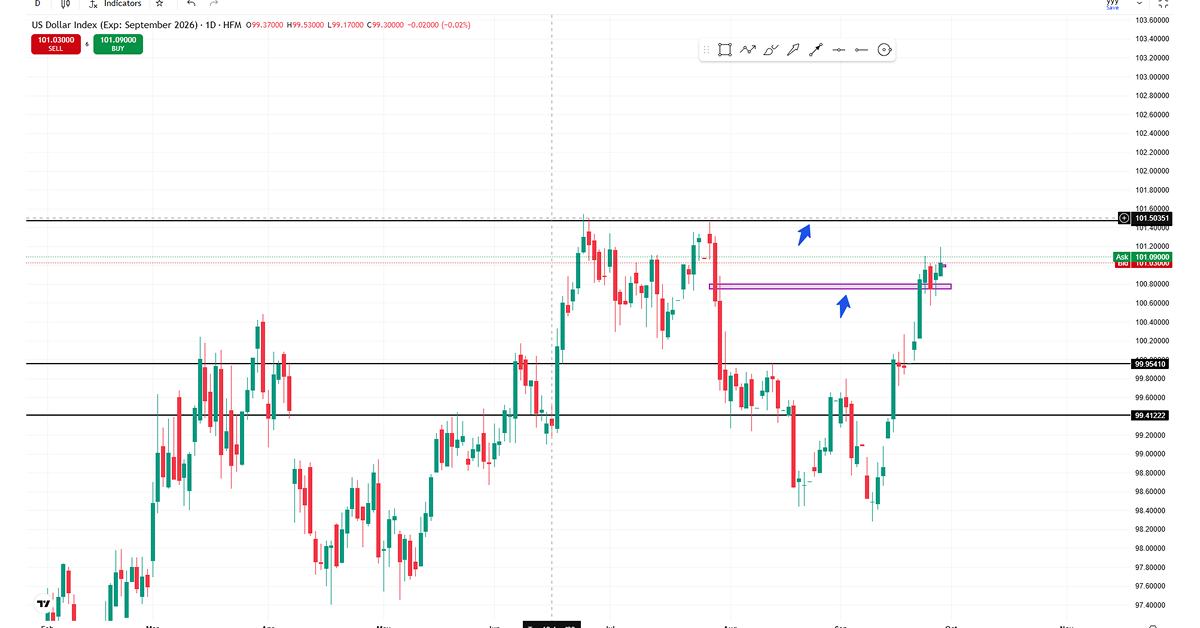
The Greenback is on high alert, as jobs data directly alters the outlook for US borrowing costs. A blowout report strengthens the Dollar as investors price out aggressive rate cuts or price in further tightening. A soft print does the exact opposite, undercutting the Greenback as rate expectations drop. Remember, the ultimate FX response hinges on the full package, payrolls, unemployment, wages, and revisions working together.
Gold
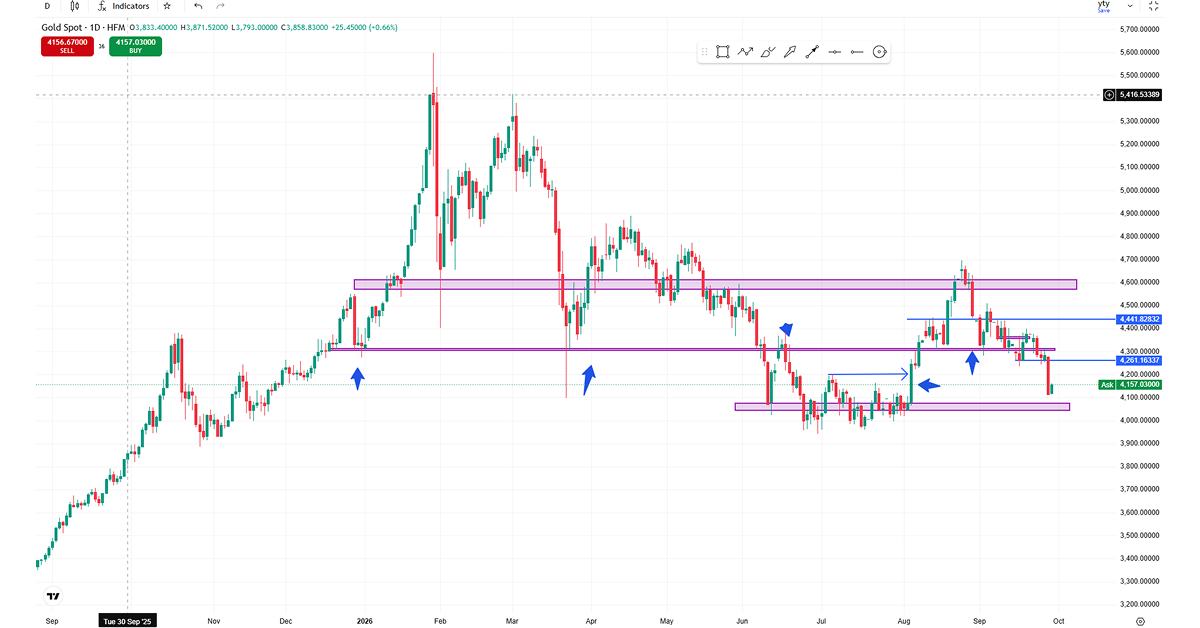
Gold traders should prepare for noticeable volatility around the release. Because gold reacts sharply to Treasury yields and US rate expectations, a strong jobs report typically weighs on bullion by lifting yields and boosting the US Dollar. Conversely, weaker labour numbers offer gold a boost as markets price in lower yields and a less aggressive Fed. Keep in mind, though, that broader risk appetite and geopolitics can always step in and complicate that relationship.
go
US Treasury Yields
The bond market will be reacting in real time. A robust employment figure reinforces "higher-for-longer" policy stances, driving yields upward. A soft report prompts traders to unwind rate bets, pushing yields down. Because US yields serve as a benchmark for global liquidity, whatever happens in Treasuries will ripple straight into currencies, stocks, and commodities.
Equities
Expect equity market volatility as investors weigh economic growth against valuation pressures. While strong hiring supports the broader growth story, data hot enough to spark Fed rate hikes will lift bond yields and drag on stock valuations. That creates a classic market paradox: good economic news isn’t automatically good for equities when interest rate dynamics are pulling the strings.
The Bigger Picture: Growth vs. Inflation
This September release comes as markets wrestle with two underlying questions: Is the economy staying resilient, and is inflation actually coming under control? A resilient labour market gives the Fed room to stay restrictive if inflation stays sticky. But signs of real weakness in hiring shift the conversation toward the economic damage of tight policy. Market consensus agrees that both jobs and inflation data determine the Fed's destination. That’s why NFP must be analysed alongside broader trends like consumer spending and business activity.
What Could Make This NFP Different?
The real market reaction won't come down to whether payrolls simply beat or miss consensus numbers. Instead, focus on the overarching story the entire print delivers. Solid payroll gains paired with elevated earnings and steady unemployment confirm a strong economic foundation. Weak hiring alongside rising unemployment and cooling wages provides a clear signal that labour conditions are chilling off. A contradictory, mixed report will trigger choppy, complex price action as different trading desks focus on conflicting details.
Key Markets to Watch
When the clock hits 8:30 a.m. ET, focus your screens on these core instruments:
- EUR/USD & USD/JPY – Quickest barometers for shifting US rate expectations.
- Gold – Highly sensitive to fluctuations in the US Dollar and Treasury yields.
- US Treasury Yields – Direct reflection of shifting Fed rate paths.
- S&P 500 & Nasdaq – Gauges for market appetite balancing economic growth versus interest rate pressure.
- US Dollar Index (DXY) – Broader macro view of overall Greenback strength.
Conclusion
Friday's September NFP release provides a crucial pulse check on US economic health at a critical juncture for interest rate pricing. While headline job creation captures immediate headlines, smart traders look at the whole picture. Unemployment rates, average hourly earnings, participation metrics, and net revisions will ultimately dictate the market's trajectory. With interest rate outlooks finely balanced, this report has all the ingredients to spark strong volatility across the US Dollar, gold, bond yields, and equity markets. As you prepare your trading setup, don't just ask “How many jobs were added?” Ask yourself: What does this full report tell us about underlying economic momentum and how will it force the Fed to act?


Terms and Conditions apply
Click here to access our Economic Calendar.
Disclaimer: This material is provided as a general marketing communication for information purposes only and does not constitute an independent investment research. Nothing in this communication contains, or should be considered as containing, an investment advice or an investment recommendation or a solicitation for the purpose of buying or selling of any financial instrument. All information provided is gathered from reputable sources and any information containing an indication of past performance is not a guarantee or reliable indicator of future performance. Users acknowledge that any investment in Leveraged Products is characterized by a certain degree of uncertainty and that any investment of this nature involves a high level of risk for which the users are solely responsible and liable. We assume no liability for any loss arising from any investment made based on the information provided in this communication. This communication must not be reproduced or further distributed without our prior written permission.
Patrick Khadija
Patrick Khadija is a professional market analyst specializing in global financial markets, technical analysis, fundamental analysis, order flow and institutional market structure. With a strong focus on understanding the forces behind price movements, Patrick Khadija analyses market liquidity, macroeconomic conditions, sentiment, positioning and institutional flows to provide a comprehensive view of market behaviour.
Patrick Khadija is committed to delivering clear, objective and data-driven market analysis, helping traders and investors develop a deeper understanding of financial markets and approach decision-making with greater precision, discipline and confidence.
